
Keynote Speakers
-
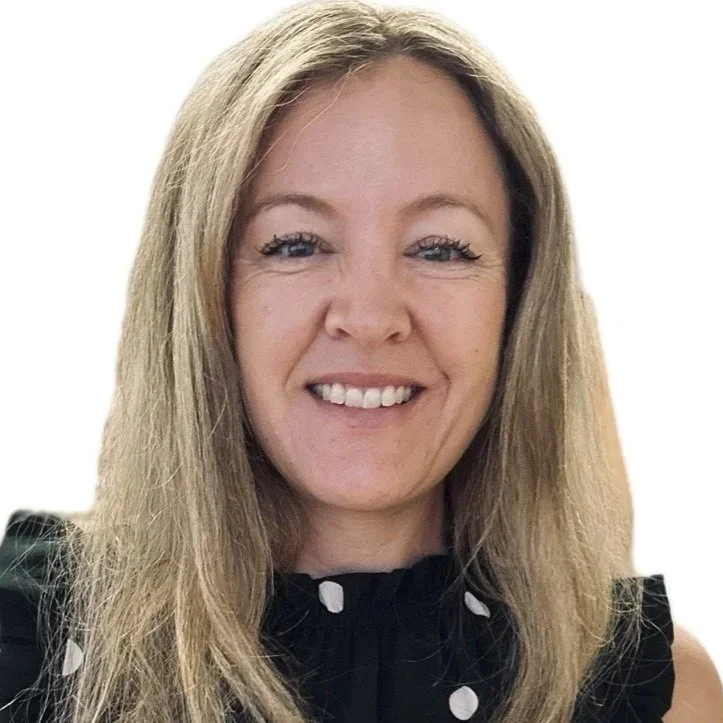
Marlize Bekker
The University of Queensland
read bio
Dr Marlize Bekker is a Senior Lecturer in Food Chemistry in the School of Agriculture and Food Sustainability at The University of Queensland. She holds a PhD in Chemistry and has over fifteen years of experience in flavour and aroma chemistry across complex food and beverage systems. Her research focuses on how post-harvest processing and fermentation conditions shape flavour development, with current work spanning vanilla, coffee, cacao, wine, and distilled beverages. This includes elucidating the formation, fate, and sensory function of key volatile and non-volatile flavour constituents, and establishing mechanistic links between processing parameters, chemical composition, and sensory outcomes.
She also leads research on the chemical and sensory characterisation of Australian native plant materials and supports the development of high-value, culturally grounded food and beverage products in partnership with Indigenous communities. Her analytical expertise lies in advanced chromatographic and mass spectrometric techniques for targeted and untargeted flavour profiling, integrated with sensory and consumer evaluation approaches.
-
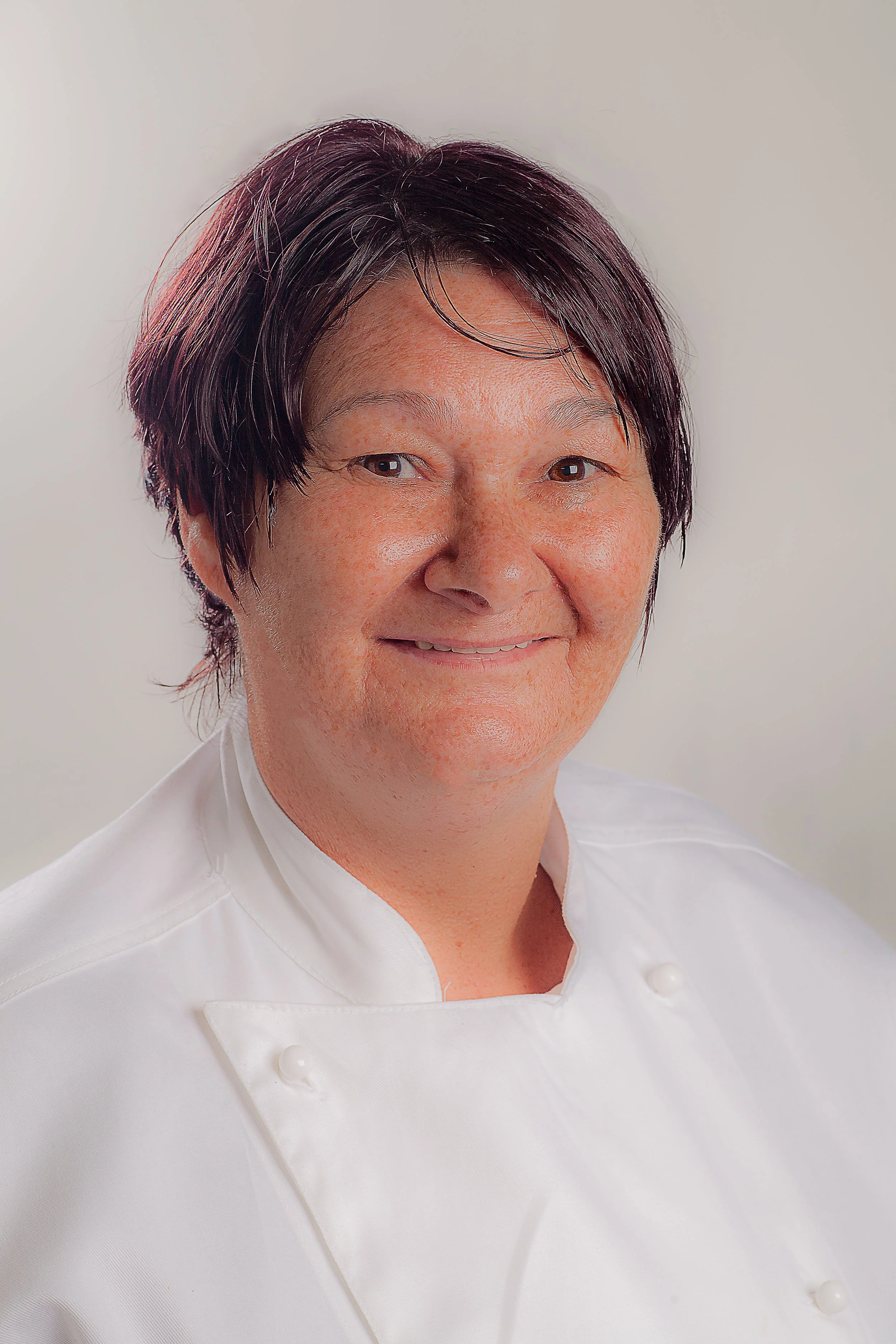
Dale Chapman
My Dilly Bag
read bio
Aunty Dale Chapman is a Kooma, Yuwaalaraay woman from western Queensland.
Regarded as a leader in her field, Aunty Dale is the founder of My Dilly Bag, a celebrated and award-winning chef, cookbook author, public speaker, television personality, YouTuber and lecturer.
Active in Aboriginal affairs, Aunty Dale is a member of the Queensland Indigenous Chamber of Commerce, Slow Food International and Director of Stepping Black Indigenous Australia.
-
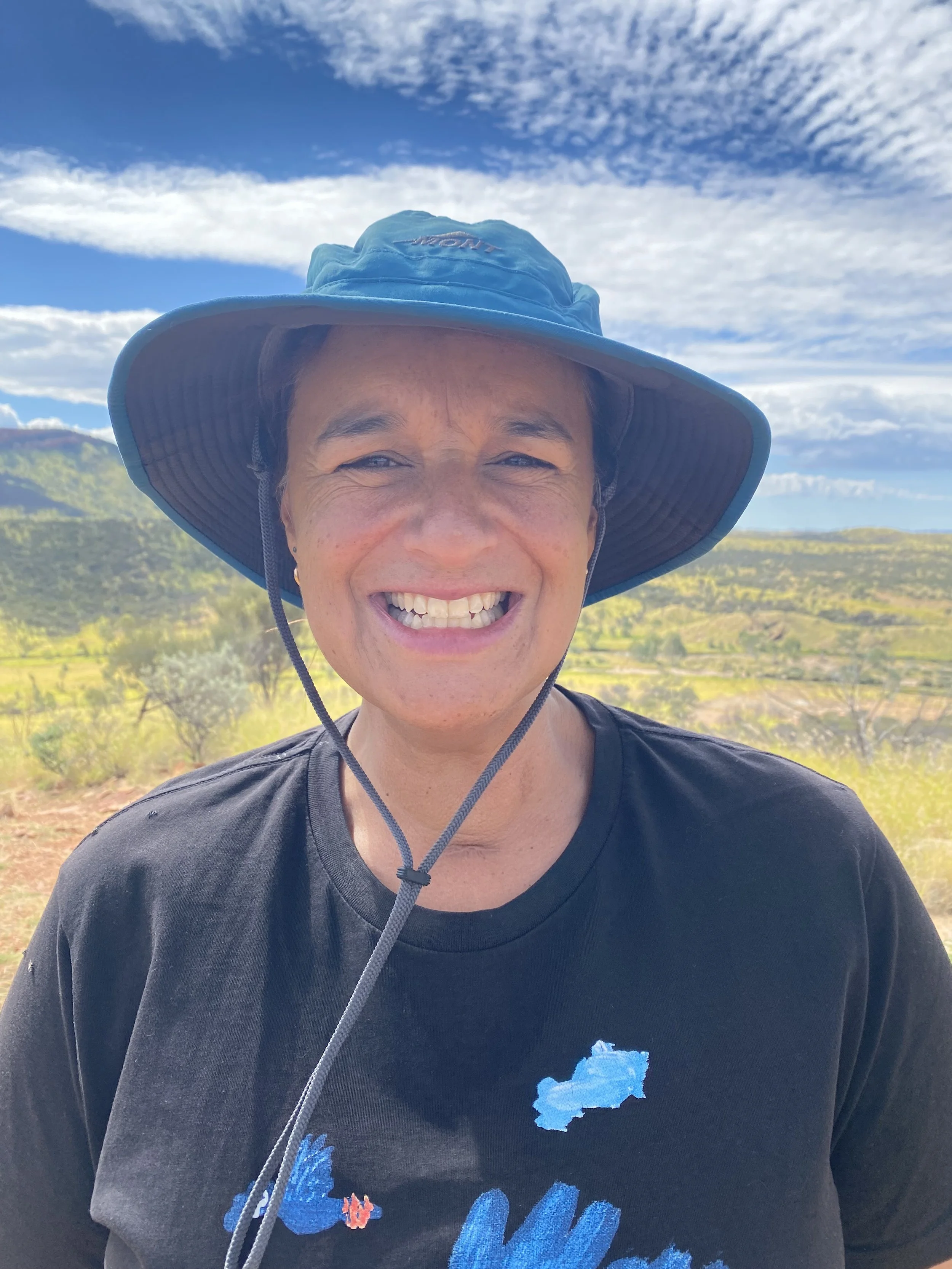
Rebecca Duncum
Alice Springs Desert Park & APS Alice Springs
read bio
Rebecca is a long-term resident of Central Australia, having first moved to Yulara in 2002 and then Alice Springs in 2007. She holds tertiary qualifications in both geology and horticulture and her talk will combine these two fields. Native plants have always been of particular interest, fitting for her current role leading the Botany team at Alice Springs Desert Park. Rebecca has a fascination with the landscapes of Central Australia and started hiking the Larapinta Trail shortly after beginning a Park Interpretation role with NT Parks and Wildlife. She has walked all sections of the Trail, some several times, which sparked her interest in investigating links between the flora and rock assemblages of the West MacDonnell Ranges. If you’ve ever hiked with her, you’ll know there are hundreds of flora photos to be taken. Many of these have featured in publications, including 3 local flora brochures of plants of Central Australia.
-
Rachael Fowler
Royal Botanic Gardens Victoria
Read Bio
Rachael is an evolutionary botanist based at the Royal Botanic Gardens Victoria and the University of Melbourne. In 2018 Rachael completed her PhD on the genus Eremophila, where she used genetic sequencing tools to generate the first molecular phylogeny (family tree) for the group. Since then, Rachael has worked with a diverse range of plant groups, but the research questions that drive her work typically combine DNA sequence data with plant morphology and species distributions to better understand the evolutionary history of a plant group or geographic region. Rachael loves being out in the bush, working collaboratively and using research to understand plants, animals and the environment around her.
-
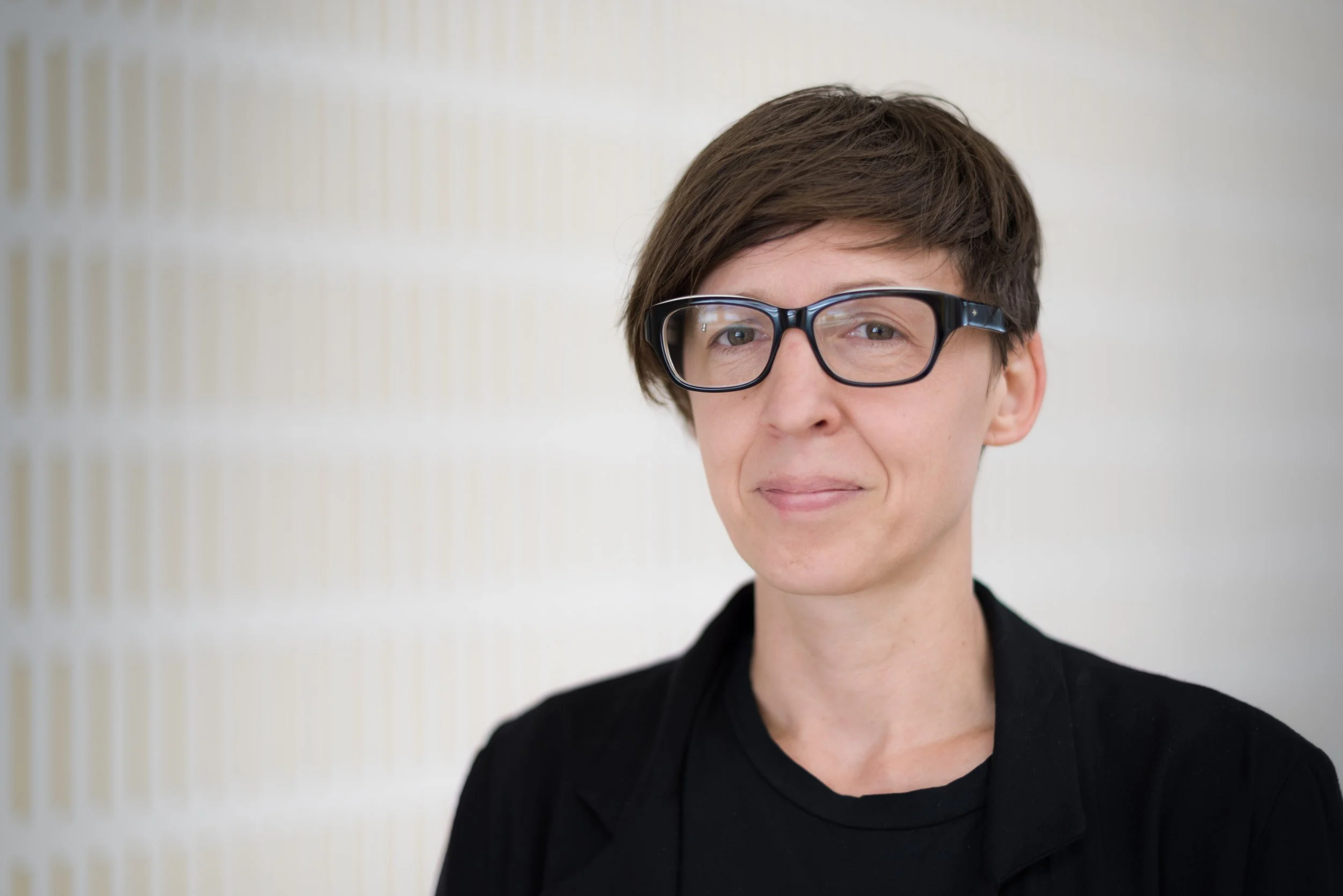
Kathryn Hodgins
Monash University
Read Bio
Kay is a plant evolutionary biologist at Monash University with a long-standing interest in how plants adapt to changing environments. Her research focuses on climate adaptation, invasive species, and the genetic diversity of plant populations, using a combination of fieldwork, experiments, and genomic approaches. She is particularly interested in how this knowledge can be applied to conservation and restoration, including how we can better manage and use native plant diversity in a changing climate. Her work includes studies of Australian native species and grasses, and she enjoys connecting fundamental evolutionary biology with practical outcomes for biodiversity and land management.
-
Prof David Lindenmayer AO
Fenner School of Environment and Society
read bio
Professor David Lindenmayer is an expert in forest and woodland ecology and conservation biology. He has maintained some of the largest, long-term research programs in Australia, with some exceeding 43 years in duration. David Lindenmayer has developed expertise in forest biodiversity, logging impacts, salvage logging, plantation design, biodiversity in plantations, and multiple disturbance interactions. He is among the world's most productive and most highly-cited scientists having published 50 books and more 1590 scientific articles including more than 1000 peer-reviewed papers in international scientific journals. David Lindenmayer was an Australian Research Council Laureate Fellow from 2013-2018. He is a Fellow of the Australian Academy of Science, Fellow of the National Academy of Sciences, Fellow of the American Academy of Sciences, and Fellow of the Ecological Society of America. He was appointed an Officer of the Order of Australia (AO) in 2014. His research has been recognised through numerous awards, including the Eureka Science Prize (three times), Whitley Award (11 times), the Serventy Medal, and the Whittaker Medal. In 2024, he received the MacFarlane-Burnett Medal for Life Sciences from the Australian Academy of Sciences.
-
Dr Steve Morton
Charles Darwin University
Read Bio
Dr Steve Morton is an Honorary Professorial Fellow with Charles Darwin University in Alice Springs. He is an ecologist who studied at the Universities of Melbourne, California (Irvine) and Sydney. He joined CSIRO in Alice Springs in 1984 to work in the desert environment that has long been his focus. From 2000 to 2010, based in Canberra and Melbourne, he helped lead CSIRO as Chief of Division and Executive Team member. He was responsible during his CSIRO executive career, consecutively, for environment and natural resources, energy, and manufacturing, materials and minerals, as well as stimulating engagement with Indigenous Australians. On retirement from CSIRO, he returned to his original scientific domain, and through work on numerous boards and advisory bodies has used his experience to assist conservation and natural resource management. His recent books are Desert Lake: Art, Science and Stories from Paruku (2013), Ten Commitments Revisited: Securing Australia’s Future Environment (2014), Biodiversity: Science and Solutions for Australia (2014), and Australian Deserts: Ecology and Landscapes (2022).
-
Dr Lauren Young
Arid Recovery
Read bio
Dr Lauren Young is Chief Executive of Arid Recovery, an independent non-profit conservation organisation based in arid South Australia. Lauren has over 15 years of experience across arid, tropical, and subtropical environments, leading research on community ecology, threatened species, and invasive species management. While her expertise is in fauna ecology, she has a strong interest in species-habitat interactions and the long-term dynamics of arid ecosystems.
Speakers
-
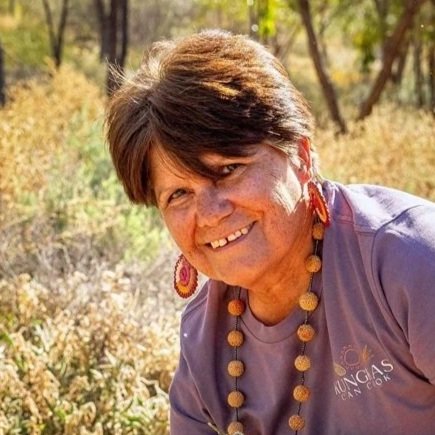
Rayleen Brown
Kungkas Can Cook
read bio
Rayleen Brown is a nationally recognised Indigenous leader, mentor, advocate and entrepreneur in the bushfoods, tourism and community development sectors. She is the co-founder of Kungkas Can Cook, an Aboriginal-owned tourism and bushfoods business operating in Central Australia since 2000.
For more than two decades, Rayleen has worked alongside Aboriginal women, communities and emerging leaders to create opportunities that strengthen cultural knowledge, economic participation and connection to Country. Through her work as a mentor and industry leader, she supports the next generation of Indigenous entrepreneurs, harvesters and community members to build skills, confidence and pathways into business and leadership.
Rayleen is a passionate advocate for ethical sourcing, Indigenous Cultural and Intellectual Property rights, cultural knowledge preservation and economic empowerment for Aboriginal communities. She collaborates with senior Indigenous women harvesters to deliver bushfood products, education and cultural experiences that celebrate Country, culture and traditional knowledge systems.
A respected voice nationally, Rayleen works across industry, government and community sectors to advance an Indigenous-led bushfoods industry built on cultural authority, fair participation and long-term sustainability.
Rayleen currently serves as:
Chair, First Nations Bushfoods and Botanicals Alliance Australia
Chair, Northern Territory Aboriginal Tourism Council
Chair, Saltbush Social Enterprises
Director, Mparntwe Alice Springs Community Foundation
NT Member, Australian Women in Agriculture
She has been featured on Channel 10's MasterChef, BBC's Great Railway Journeys, SBS's The Cook Up with Adam Liaw, and in numerous national and international publications.
Rayleen's work focuses on strengthening Indigenous leadership, supporting community enterprise development, mentoring future leaders, and building
an Indigenous-led bushfoods industry with strong cultural leadership, supply chain equity and global potential.
-
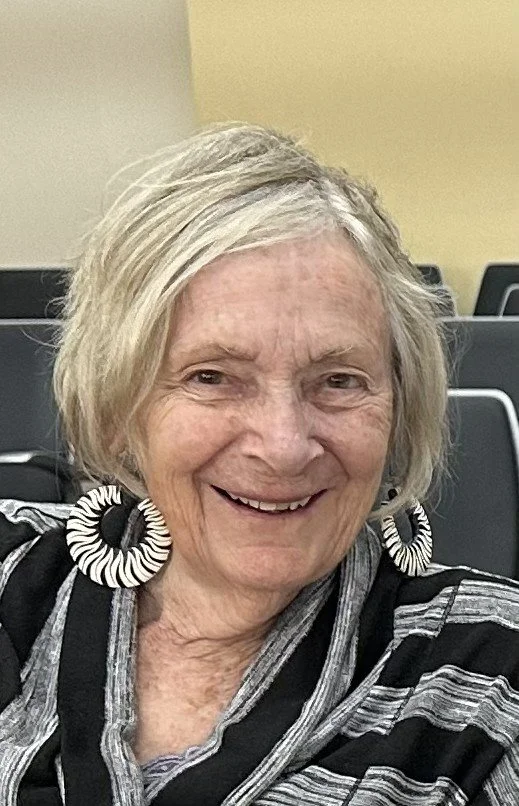
Dr Margaret Friedel
Charles Darwin University
Read Bio
Dr Margaret Friedel PSM has been an Adjunct Professor in the Research Institute for Environment & Livelihoods at Charles Darwin University in Alice Springs since 2013. She joined CSIRO Alice Springs in 1974 to research the ecology and management of arid rangelands and since then has explored aspects of range assessment, rehabilitation, tourism, land use planning, policy development and invasive plants. Having retired in 2010, she was appointed an Honorary Fellow with CSIRO Land & Water to 2019 and was made a Fellow of the Australian Rangeland Society in 2017. Marg enjoys writing about rangeland management and engaging with fellow natural history enthusiasts. In recent years she has written about the history of plant invasions – particularly buffel grass – in arid Australia, CSIRO’s 64 years of rangeland research in central Australia and beyond, and the life of Australia’s ‘father of rangelands research’, Ray Perry.
-
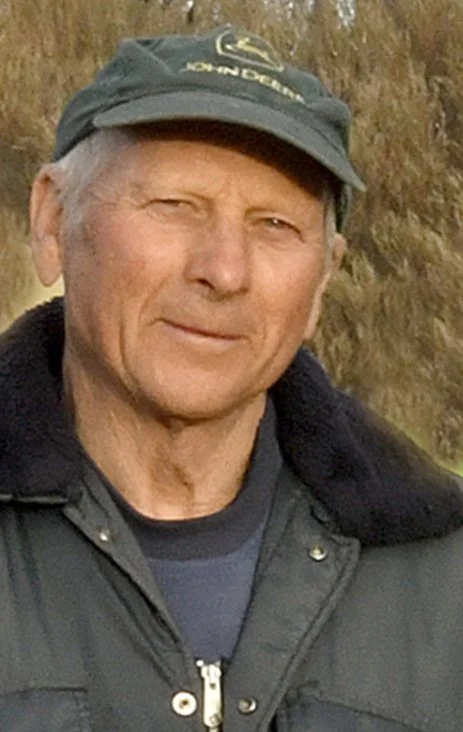
Graham Goods
Wimmera Growers of Australian Plants
read bio
Graham is the President and a Life Members of the Wimmera Growers of Australian Plants of which he has been a member for 50 years.
He first became involved with Australia's inland deserts in 2002 with an organisation called Desert Discovery as part of the Botany team. In 2008 Graham was involved with the photography and identification of specimens.
He has done volunteer work for Australian Wildlife Conservancy, Friends of the Great Victoria Desert, Victorian and Western Australian Herbariums in collecting, identifying and processing specimens.
Graham is co-author of the book, Birds and Plants of the Little Desert, a photographic guide.
-
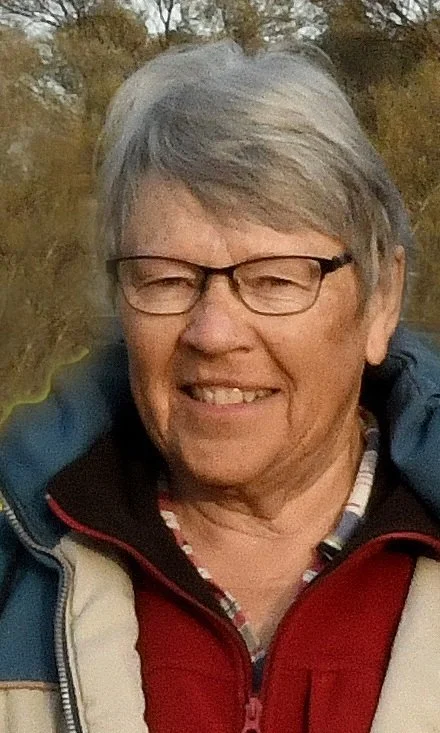
Maree Goods
Wimmera Growers of Australian Plants
read bio
Maree is a Life Members of the Wimmera Growers of Australian Plants of which she has been a member for 50 years.
She first became involved with Australia's inland deserts in 2002 with an organisation called Desert Discovery as part of the Botany team.
In 2008, Maree became the Botany Team Leader. She has done volunteer work for Australian Wildlife Conservancy, Friends of the Great Victoria Desert, Victorian and Western Australian Herbariums in collecting, identifying and processing specimens.
Maree is co-author of the books Birds and Plants of the Little Desert, a photographic guide and Australia's Eremophilas.
-
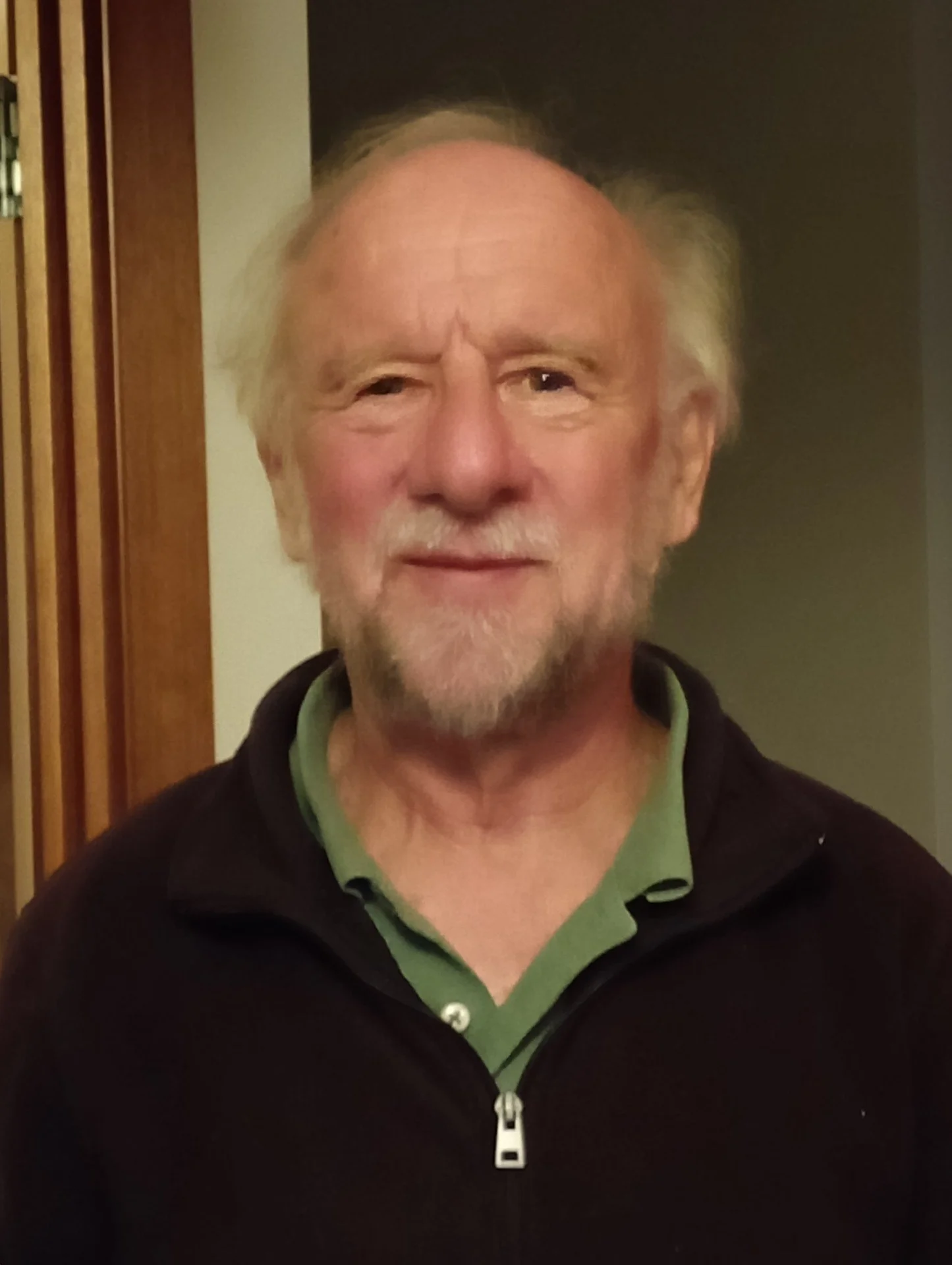
Hans Griesser
Australian Plants Society of SA
Read Bio
Hans was born and raised in Switzerland and spent two years in Wales as a teenager, which explains his unusual accent. He came to Australia 47 years ago for a short-term job, but fell in love with the wide open spaces and decided to stay. After 20 years in Melbourne he moved to South Australia and bought a 10-acre property in the Adelaide Hills, ensuring he’d have enough space for his ever-growing collection of plants, most of which he grows himself. His research career focused on the effects of chemicals and polymers (plastics) on microbes and humans, to understand effects at the biochemical level and open up new healthcare uses. As part of this, he and his research group studied bioactive chemicals extracted from a number of Eremophila species and some other plants. Now retired, he serves as a volunteer Grants Officer for the Australian Flora Foundation and in a local landcare group. He is currently working on a chapter on Eremophilas for a book on Australian aromatic and medicinal plants.
-
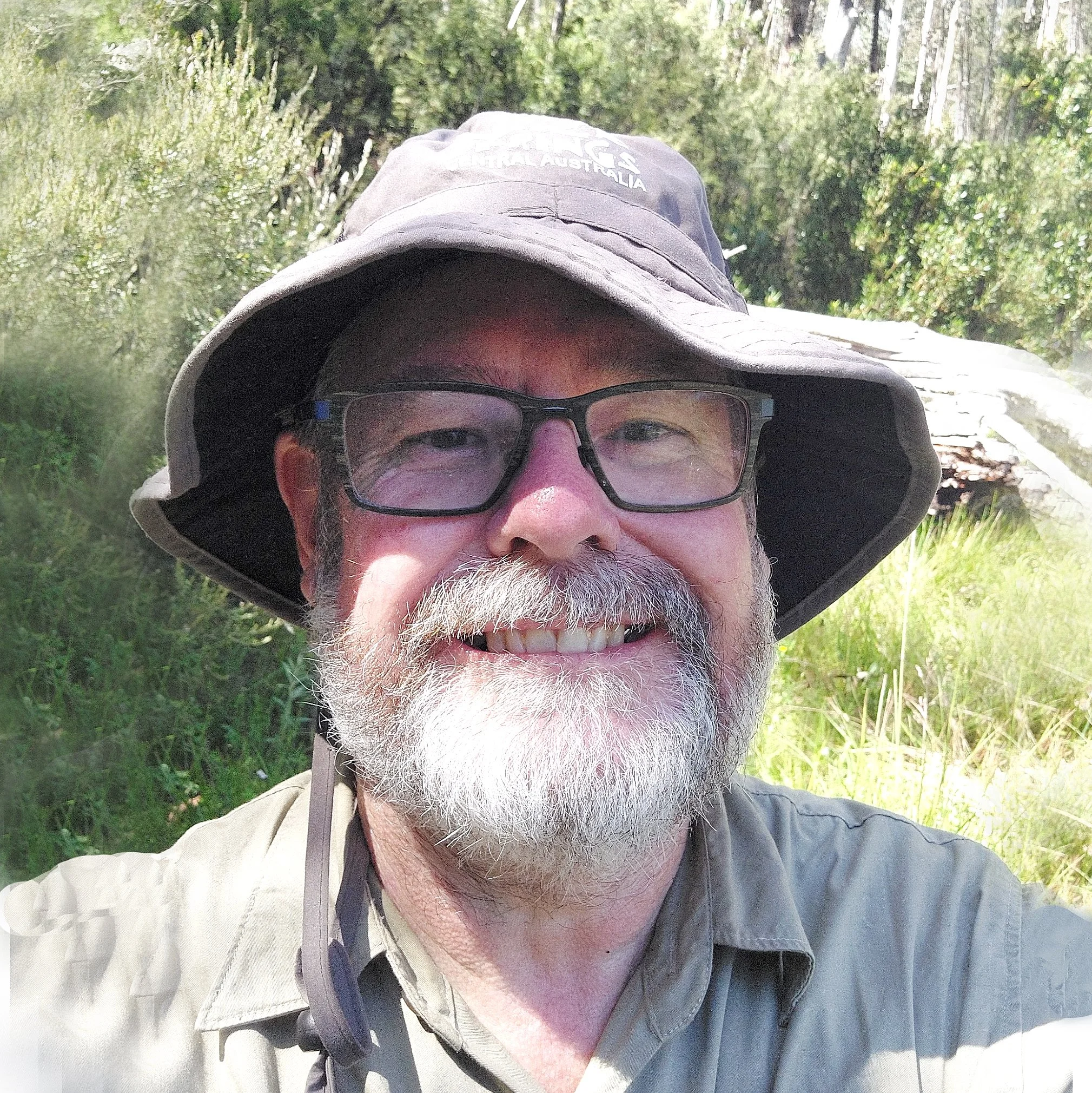
Peter Jobson
National Herbarium of New South Wales
Read bio
Peter has been a plant taxonomist working on the Australian flora for the past 35 years. He has conducted research on Acrotriche (Ericaceae), Dendrobium (Orchidaceae) and Dillwynia (Fabaceae). He has also been involved in co-authoring papers on Solanum (Solanacaeae), Olearia (Asteraceae), and others. He has tried his hands at many roles over the years: as a plant collector for a joint Royal Botanic Gardens of Victoria and pharmaceutical research company project, checking identifications on specimens for the initial Australasian Virtual Herbarium project for the National Herbarium of NSW, working as a plant identifier for environmental consultancies in Perth, Western Australia, as the Senior Botanist for the Northern Territory Herbarium, Alice Springs for almost 10 years, and now as Information Botanist and team leader for Illustration & Botanical Identification Service. For almost 10 years he was President of the Plant Society, Alice Springs.
-
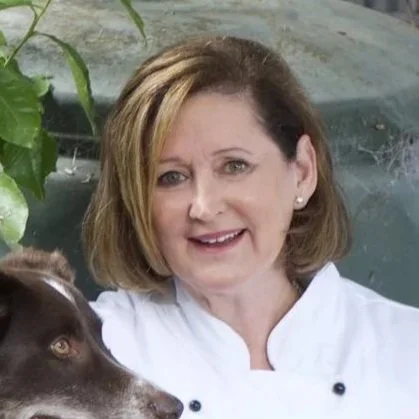
Jude Mayall
Bush BBQ, Victoria
read bio
Jude Mayall is an industry advisor, author of The Outback Chef Cookbook and a respected guest speaker, educator and President of Qld Bushfoods.
Her talks and cooking demonstrations celebrate the power and beauty of Australian native bush flavours, embracing their deep cultural roots and highlighting their growing importance in shaping dishes that are distinctly Australian
With over two decades of experience, Jude has collaborated with chefs, cook’s, distillers and organisations as a consultant and demonstrator, showing how native ingredients can be incorporated into everyday cooking and commercial products.
Her work has taken her from outback mine sites to classrooms and culinary colleges, always with a focus on education, sustainability and flavour.
She has worked with Indigenous students at Tiwi College on heathy eating programs, collaborated with the community in Maningrida, Arnhem Land to develop a spice mix and taught the teachers at the Stephanie Alexander Kitchen Garden Program.
Jude is also a regular educator at William Angliss college in Melbourne where she continues to inspire the next generation of chefs.
-
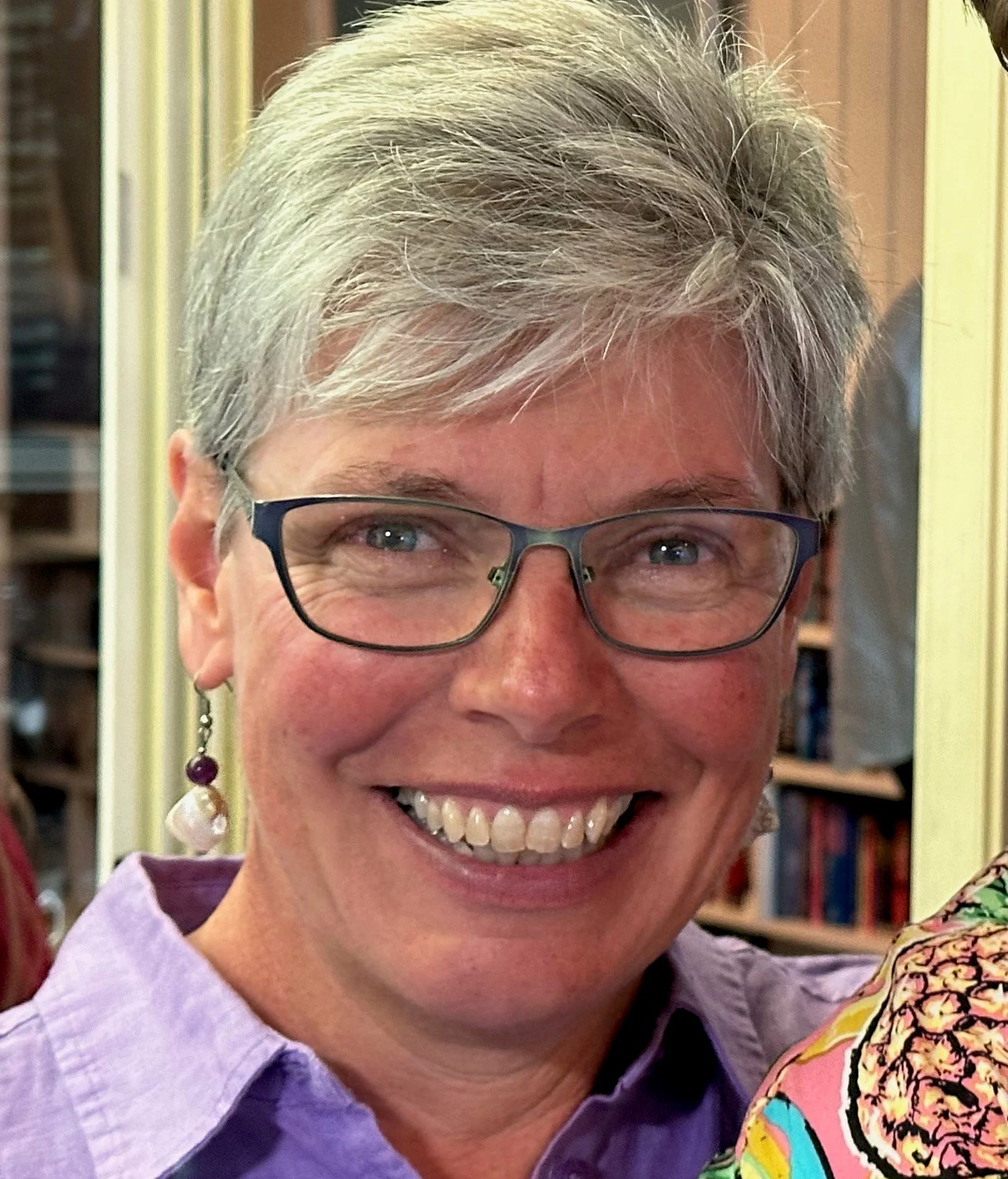
Sue Morrish
Alice Springs Landcare
Read Bio
Sue Morrish is an active volunteer and site co-ordinator with Alice Springs Landcare. Since 2009 she and Rosalie Breen (along with many other volunteers) have removed buffel from the Spencer Valley area east of Spencer Hill, on the Eastside of Alice Springs.
In the process she has learnt (and sometimes immediately forgotten) a lot of plant names, and helped Rosalie to compile a species list of plants for that area, with support from the NT Herbarium, most recently with Senior Botanist David Albrecht. It has doubled from the first drafts around 100 species to the current draft which has over 230.
Her day jobs in Alice Springs have ranged from working as a linguist at the Institute for Aboriginal Development in the 1990’s to her current role as a midwife in an Aboriginal women’s clinic, and she has never studied botany. But her Chem Cert is current!!
Concurrent A Speakers
-
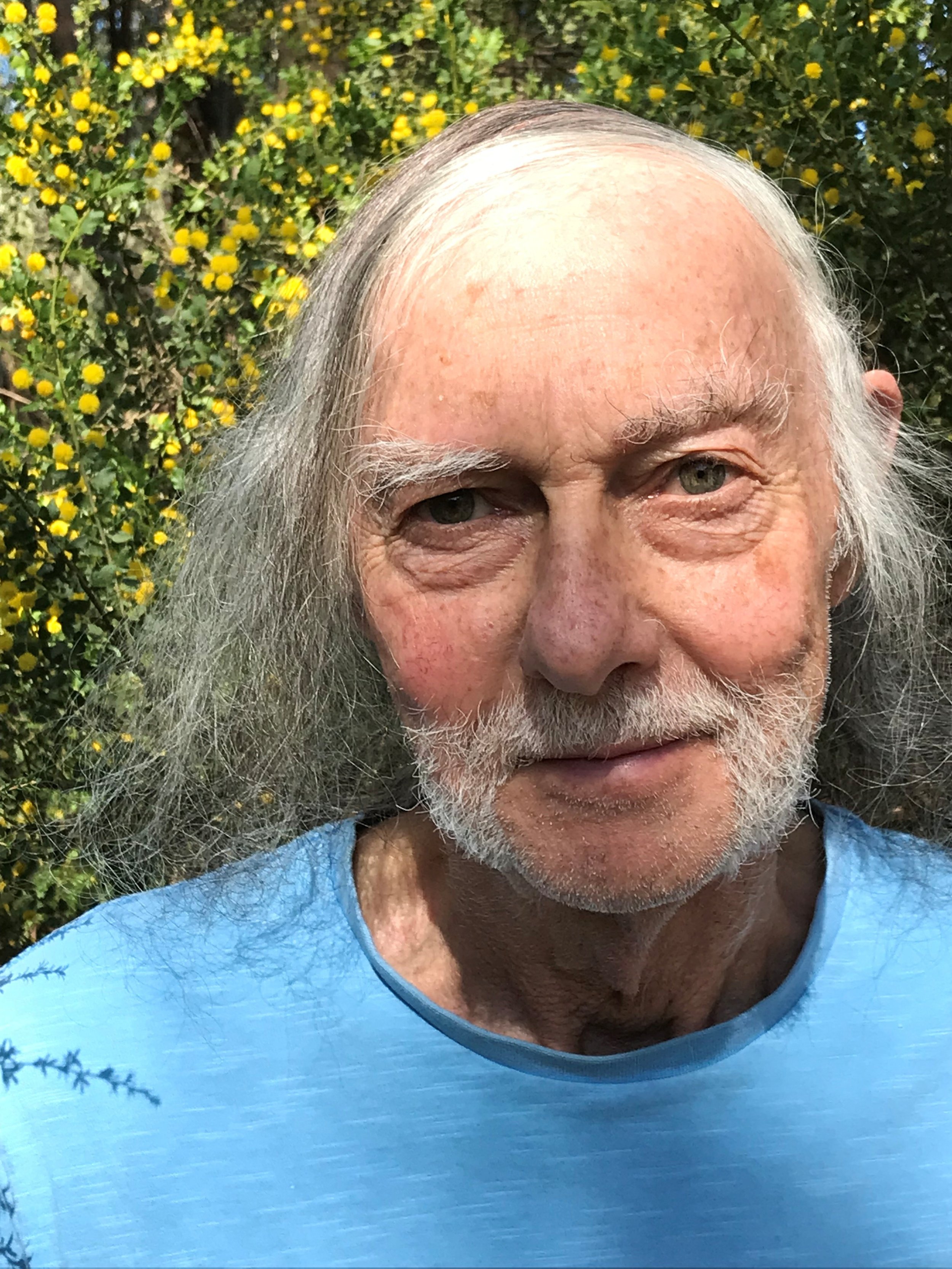
Bill Aitchison
Acacia Study Group
READ BIO
Bill Aitchison has been Leader of the Acacia Study Group since 2011, and has also been Editor of the Group’s Newsletter since 2007, during which time 64 Newsletters have been produced. His particular interest in Acacias was triggered by his involvement as a member of the Organising Committee for the 2006 FJC Rogers Biennial Seminar on Acacias, Knowing and Growing Australian Wattles. The year 2006 also coincided with his retirement from his job as a Consulting Actuary. He marks his decision to take early retirement as one of the best decisions he has made – it provided so much more opportunity to enjoy gardening, Australian plants and his association with our Society.
Bill and his wife Sue joined the Australian Plants Society Maroondah Group in 1987 and have both occupied various committee roles with that Group (Bill was President from 2001 to 2004). They are both Honorary Life members of the Group. They are also both Honorary Life Members of APS Victoria, for whom they have looked after the Society’s book sales function continuously since 2001.
They have a one acre property in Donvale (an outer eastern suburb of Melbourne) which features many species of Acacia and other native plants, and includes sections devoted to local indigenous plants. They try to provide habitat that is suitable for and welcoming to local wildlife. The garden has featured on the ABC’s Gardening Australia program and has also been open under the Open Gardens Victoria program.
Bill has spoken regularly at various meetings of Australian Plants Society and other groups, often on subjects relating to Acacias but also other topics as well.
-
Paul Kennedy
APSA Hakea Study Group
read bio
Paul has been the leader of the APSA Hakea Study Group since 2008. He has been an enthusiastic leader in encouraging APS members to grow Hakeas. Paul has spoken to many groups about Hakeas, lead field excursions and visited many members’ gardens. He has introduced new techniques in germinating Hakeas as well as grafting techniques for Hakeas that are hard to grow on their own roots or endangered. Paul has been involved in the organization of the Society being APS Victoria State President, ANPSA President and organizer of two ANPSA Conferences.
My interest in Australian plants began in my bushwalking days when walking across the Victorian highlands I came across so many beautiful flowering plants. After my marriage to Barbara in 1968 I began planting Australian natives in our garden at Heathmont, an outer eastern suburb of Melbourne. My initial interest was Banksias but I found the western Australian species difficult to grow and so became interested in Hakeas, which were much more hardier to our climate and soils. On retirement in 1995 we shifted to Strathmerton north of Shepparton where on 18 acres of land consisting of deep sandhills and clay swales we grew nearly every species and subspecies of Hakea according to soil type. Our arboretum of Australian plants was visited by many APS groups and members.
In 2013 we left Strathmerton and moved to Colac in Victoria where we now have an acre
garden with most of the Hakea species and subspecies growing on 900mm of sandy loam overlying clay. Many Hakeas are adaptable to soil and climate variations.
Paul received an OAM in 2014 for his services to the Australian Plants Society, the Community and Environment. -
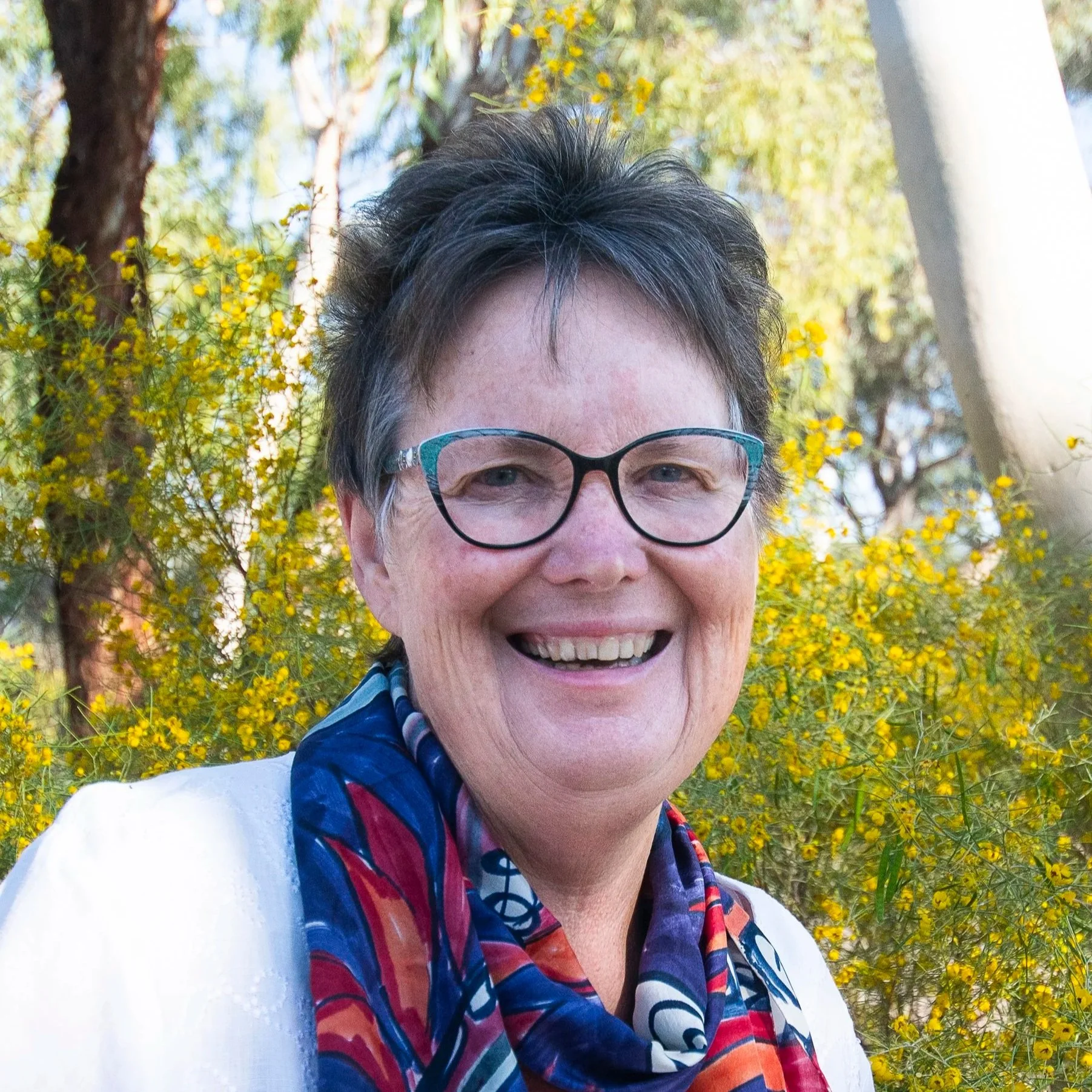
Suzanne Lollback
APS Alice Springs President
Read Bio
Suzanne has been the President of the Australian Plants Society Alice Springs for the past four years. Originally from NSW, she has lived for a total of 14 years in the NT where she enjoys the diversity of the environment in all its extremes as, no matter what the weather is doing, there are always native plants to discover and learn about. She has always been interested in plants and, no matter where she has lived, she has wandered around the bush and now describes herself as an 'enthusiastic amateur botanist'.
-
Shirley McLaran
Australian Pea Flower Study Group
READ BIO
Shirley has led the Australian Pea Flower Study Group since reviving the group at the Albany conference in 2019. Her love of Australian native plants began 30 years ago, after undertaking a horticultural course to learn about soils and nutrients and consequently joining Pine Rivers Branch of SGAP Queensland. She quickly became obsessed with the desire to know which family each species belongs to, and why. Shirley is intrigued by the diversity of pea-flowered plants and is especially interested in the genus Pultenaea, which has over 120 species.
In 2018, Shirley graduated from the University of New England with a Bachelor of Science, majoring in botany. During her studies, she was accepted to participate in the Volunteer Botanical Training Program at the Australian National Herbarium, where she contributed to the Australian National Botanic Gardens ‘Growing Native Plants’ web page with the horticultural values of the Swan River Pea, Gastrolobium celsianum.
Now permanently settled in Lake Macquarie, she is a member of both the Newcastle and Central Coast groups of APS NSW. When she is not out and about chasing pea flowers, she volunteers at Trees in Newcastle, a not-for-profit community environmental organisation. As a keen citizen scientist, Shirley contributes to the iNaturalist community with observations and identifications.
-
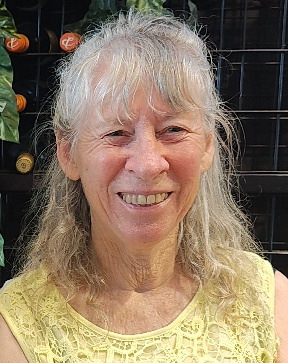
Dr Lyndal Thornburn
Eremophila Study Group
Read Bio
Lyndal has led the Eremophila Study Group since 2015. She is a Life Member of ANPS Canberra Region Inc, having joined it in 1979 when first moving to Canberra for work. Her interest in Eremophila started in 1985 when she bought an Eremophila maculata 'Wendy', a plant which s1ll grows in her Queanbeyan garden. She has a life1me interest in na1ve plants, birds and general ecology, having graduated from Sydney Uni with an Honours degree in ornithology. This didn't provide access to paid employment at the 1me, so her natural history interests con1nued through early involvement with what was then called SGAP, Canberra Ornithologists' Group, Barren Grounds Nature Reserve and many surveys for the then Royal Australian Ornithologists' Union (using pen and paper!). She also held roles on ANPS Canberra's Council for a decade and was Federal Secretary of the then ASGAP in the 1980s. In the last 5 years she has become ac1ve in contribu1ng to both Canberra Nature Mapr and inaturalist and also joins ANPS NSW South East Region field trips with her husband Tom. In the last decade Lyndal and Tom have also discovered the joys of hun1ng Eremophila in the wild, par1cularly in Queensland and western NSW. She is glad that Tom really likes long distance driving.
-
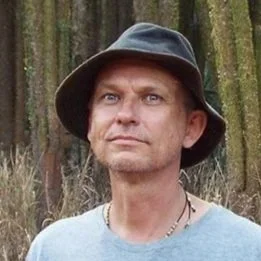
Warwick Varley
Allied Trees Consultancy
read bio
Warwick has been employed in the tree industry for nearly 35 years, having worked as a climber, trainer, tree manager, consultant, and TAFE teacher. His education consisted of tertiary qualifications, including Diplomas, a bachelor's degree, and postgraduate qualifications related to arboriculture and the environment. As the principal arborist at a consultancy company that specialises in local and state government contracts, the need to identify and understand trees, particularly Eucalypts, was paramount. Warwick's primary tree interests are the genera Araucaria and Eucalyptus, for which several articles have been published in national and international journals, and include membership in the Eucalyptus Study Group as part of continuing education. His membership started in 2003, and he took on the group leader position in 2009, from which he stepped down last year to spend more time on research, writing, and his family.
Concurrent B Speakers
-
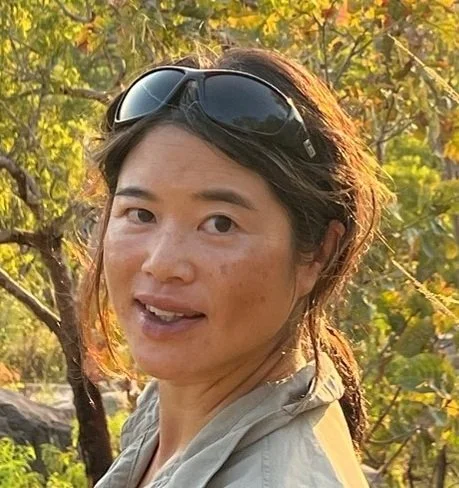
Caroline Chong
Norther Territory Government
Read bio
Dr Caroline Chong is a plant biologist with particular interests in biodiversity conservation, population genomics, seed banking and species protection. She leads Northern Territory threatened species conservation listings and collaborative plant diversity research. Her work informs environmental decision-making, biodiversity planning and conservation management outcomes. Caroline is an active member of the inter-jurisdictional Common Assessment Method Working Group for national threatened species listing and the IUCN Species Survival Commission Australia Plant Specialist Group.
-
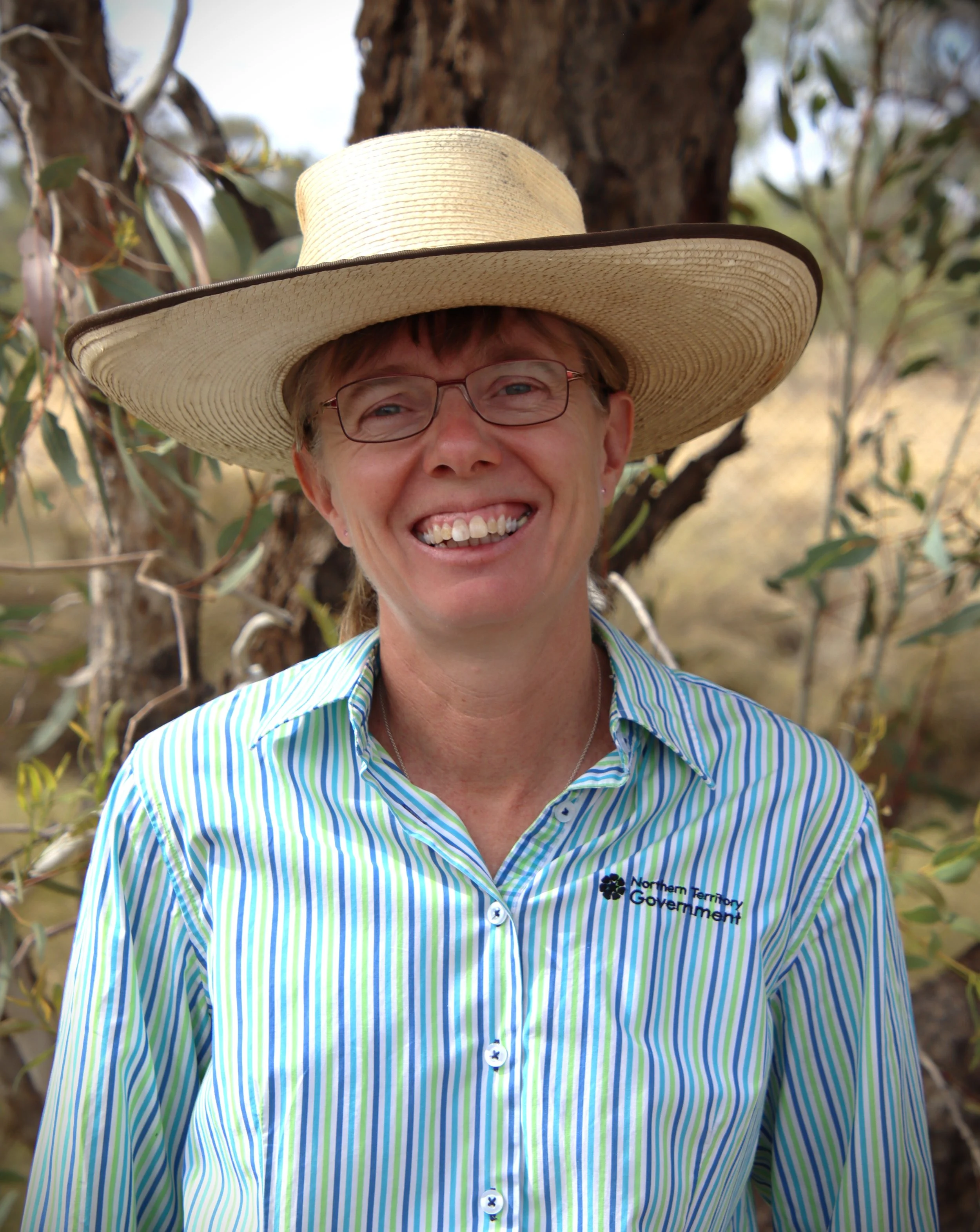
Alison Kain
Arid Zone Research Institute
read bio
Alison has lived in central Australia all her life. She loves the environment, the wide, open spaces, and the opportunities you can find in this part of the world. Alison’s professional experience lies in the fields of soil conservation, land resource mapping and managing natural resources in a production landscape. She considers herself very fortunate to have worked with extremely experienced land managers, scientists and practitioners in central Australia and is grateful for their willingness to share their thoughts and knowledge. She particularly enjoys sharing that knowledge with others via extension programs. Alison is currently working part time, collating the wealth of information that has been discovered and demonstrated on the Old Man Plains Research Station.
I grew up in Alice Springs and went to the University of Adelaide (Roseworthy) where I completed a Bachelor of Applied Science in Natural Resources Management. I have more than 25 years experience in central Australia and the Barkly Tablelands working in the fields of soil conservation, land resource mapping and managing natural resources in a production landscape. I have been very fortunate to have worked with extremely experienced land managers, scientists and practitioners in central Australia and I am grateful for their willingness to share their thoughts and knowledge. I particularly enjoy sharing that knowledge with others via extension programs. Over the next two years I will be working with the staff at AZRI in preparing technical reports and extension articles, with a particular focus on the rangeland management and restoration work at Old Man Plains Research Station. Above all, I have a strong and passionate love for the central Australian environment and am very proud to call this place home.
-
Chris Kirby
Friends of Vulkathunha-Gammon Ranges National Park
read bio
Chris Kirby is an Adelaide-based, award-winning landscape, nature and garden photographer. Following a career in education, she now devotes much of her time to photographing Australia's native flora and birdlife for a range of conservation, educational, and community projects. Her work regularly appears in journals and newsletters produced by organisations with which she is actively involved, including the Adelaide Australian Plants Society (APSSA), Adelaide Botanic Garden, and the Mediterranean Garden Society of South Australia.
Since 2020, Chris and her botanist husband Greg, have been active members of the Friends of Vulkathunha–Gammon Ranges National Park in the Northern Flinders Ranges. Through this involvement, they have contributed to revegetation programs and ecological monitoring projects that support the conservation of this remarkable landscape. The Friends of VGRNP Group has been successful in receiving grants for publications. Chris photographed and compiled the Birds of Arkaroola & the Northern Flinders Ranges identification brochure which was published in 2023. Chris, Greg and Nicki de Preu are currently preparing a work in wildflower identification.
A passionate advocate for nature photography, Chris runs practical workshops to encourage and inspire photographers of all skill levels to develop their craft and deepen their connection with the natural world.
-
Dr Greg Kirby
Friends of Vulkathunha-Gammon Ranges National Park
read bio
Dr Greg Kirby is a past president of APSSA. He has had a long association with APSSA since the 1970s.
Originally from New Zealand, on coming to Australia he developed a love of the South Australian outback and was an active member of the Adelaide Bushwalkers for many years. He accumulated a wealth of knowledge about the flora and fauna of the Flinders Ranges and other remote areas. This interest and knowledge stood him in good stead for appointment as a founding lecturer in the Eco -Tourism degree course at Flinders University in 1996. His interest in grasses lead to him being Chairperson of the Native Grasses Resource Group.
He undertook his postdoctoral research at the University of British Columbia and subsequent research at the University of Sussex and CSIRO Plant Industry in Canberra. As a Senior Lecturer in Biological Sciences at Flinders University, he conducted significant research on Sturt’s Desert Pea (Swainsona formosa) developing the cultivars Flinders Flame and Flinders Pink.
Since retirement he has given much time to regeneration and restorative projects, initially on his own properties and local bush for life projects. With his photographer wife Chris, he has been an active member of Friends of Vulkathunha-Gammon Ranges National Park in the Revegetation Project at Balcanoona, in the Northern Flinders Ranges.
-
Ganesha Liyange
Australian PlantBank, Botanic Gardens of Sydney
Read Bio
Ganesha is a Plant Conservation Scientist at the Australian PlantBank and has over nine years of experience in seed ecology and ex situ seed conservation. She has long been passionate about the natural environment and biodiversity conservation. Her research interest in conservation began during her Honours research on the seed biology of invasive species in Sri Lanka. Ganesha later moved to Australia to undertake a PhD at the University of Wollongong, where she studied variation in seed dormancy and its ecological importance in fire-prone ecosystems. Following completion of her PhD, she joined the Australian PlantBank in 2018. Her current research focuses on understanding seed dormancy mechanisms (how to promote germination) and investigating seed storage behaviour in ex situ seedbanks. This work helps identify species suitable for long-term seedbank conservation and those that may require alternative storage strategies.
-
Ilaine Matos
Adelaide University
Read Bio
Ilaíne is a plant ecophysiologist interested in understanding the different mechanisms by which plants respond to climate change, particularly to the interactive effects of droughts, heatwaves and fires. Her research combines observational and experimental fieldwork, greenhouse and laboratory experiments, functional trait assessment, process-based modelling, meta-analysis, and outreach engagement with local communities, middle and high schools, and visitors of protected natural areas. Besides researching plants, Ilaíne also loved to paint them in her watercolors.
-
Melinda Perkins
The University of Queensland
READ BIO
Melinda is a horticultural researcher whose interests include the domestication of lesser-known Australian plants with ornamental potential. Her early work involved developing production protocols for species of Ptilotus, Newcastelia and Calandrinia, as well as pollination biology studies to enhance plant breeding efforts. She has lectured in plant physiology and horticulture production at The University of Queensland and is currently focused on overcoming seed germination barriers in the genus Eremophila for landscape restoration purposes. When not at work, Melinda can be found re-wilding her home garden in the Lockyer Valley and enjoying the array of local wildlife that it supports.
-
Prof Dave Watson
Gulbali Institute
READ BIO
Based at CSU’s Gulbali Institute, Dave’s an ecologist developing evidence-based strategies to boost biodiversity. Originally from Melbourne, he completed his PhD in the USA, studying birds in Central American cloud forests, returning to Australia to teach ornithology and establish his research programme in regional NSW. Mistletoe has long been a focus, revealing ecological interactions and landscape features critical to maintain diverse and functional ecosystems. He established the Australian Acoustic Observatory, demonstrated the role of mistletoe as a keystone resource, and discovered several new species on tropical mountains. He works with landholders, Indigenous partners and philanthropists to connect people to country.
Concurrent C Speakers
-
David Albrecht
Northern Territory Herbarium
Read Bio
David has been working as an Herbarium-based botanist since1983. He has had stints at the Melbourne Herbarium and the Australian National Herbarium, and is currently based at the Alice Springs Herbarium, where he has worked for over 20 years. He is interested in a broad range of botanical topics including plant taxonomy, floras and other identification aids, vegetation survey and ecology, threatened species, weed ecology and vegetation management.
-
Dr Kate Delaporte
Adelaide University
READ BIO
Dr Kate Delaporte is part of the group of UoA researchers developing and strengthening understanding of First Nations food and botanicals and their future role in horticulture, food and medicine production, ecosystem conservation, and most recently, in building resilience into pastoral grazing systems. She has a long history working with Australian flora such as Banksia and Eucalypts, and has extensive knowledge of research, development and the pathways to commericalisation of Australian plants. Kate has established strong connections with Uncle Yuandamarra from Red Centre Enterprises https://www.red-centre.com.au/. Yuandamarra Kiely is a respected Bundjalung and Yiman Elder, Medicine and Traditional Lore-man who helps Aboriginal communities across Australia. In her spare time, Kate is the Curator of the Waite Arboretum and Waite Conservation Reserve, and a senior lecturer at the Adelaide University in Horticulture
-
Rebecca Greening
Adelaide University
Read Bio
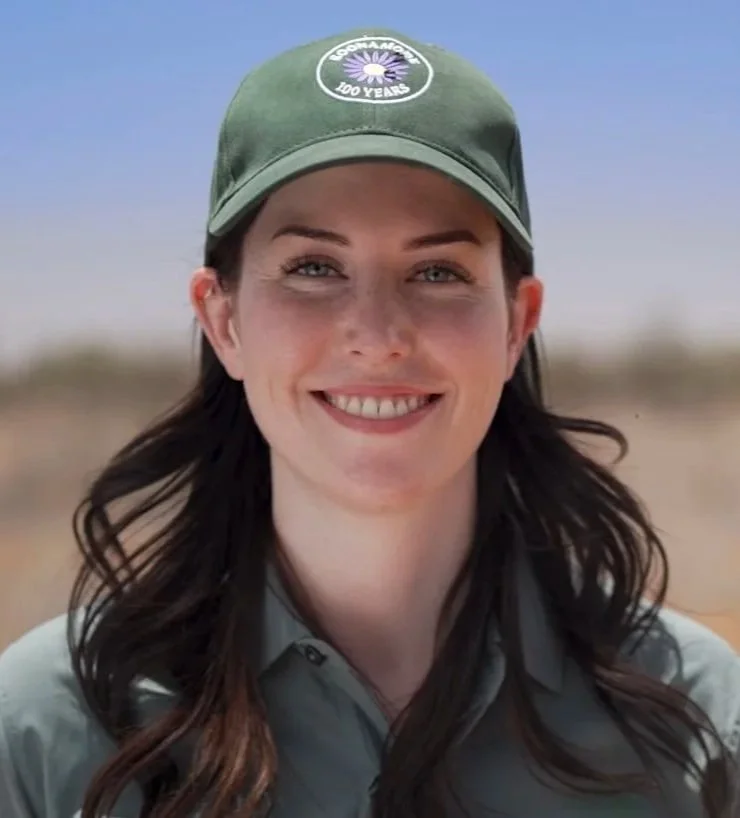
Rebecca is a PhD Candidate who is digging into the effects of livestock on soil ecological processes in Australia's arid rangelands. Her project utilises the TGB Osborn (Koonamore) Vegetation Reserve, a unique site that has been free from livestock for 100 years, as an ecological baseline to compare with neighbouring grazed land in South Australia's arid rangelands.
Rebecca is passionate about revitalising interest in this under-recognised site and demonstrating how grazing exclusion reserves have immense value for understanding arid ecosystem function, with benefits for both conservation and pastoral land management.
-
Kathy Musial
Huntington Botanical Gardens
Read Bio
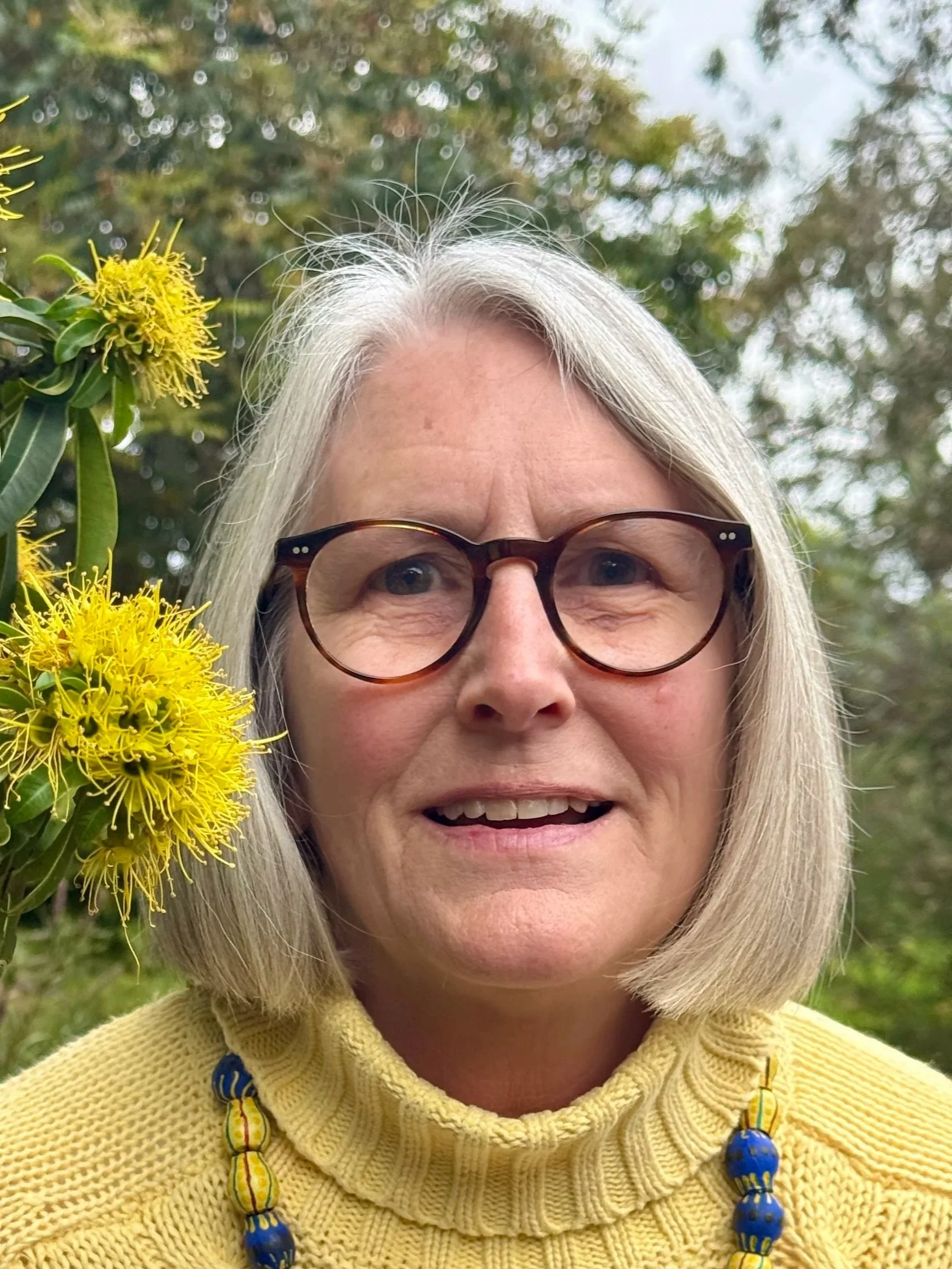
Kathy started at The Huntington as Assistant Botanist in July 1982 and became Botanist in January 1983, a position changed to Curator of Living Collections in 1985 and Senior Curator of Living Collections in 2024. She is responsible for overall curation of the non-succulent living plant collections including acquisition, development, landscape siting, tracking, mapping, and identification of plants. She has served on the boards of several horticultural organizations.
Kathy has traveled widely worldwide to see plants in their native habitats and has led several natural history tours. She has a particular love for Australian flora, fauna, natural history, and geology, and has travelled all over Australia on a dozen trips since 1980. In 2025 she visited the Kimberley, the Top End, and the Centre; this will be her third visit to the Centre.
-
Albert Wong
Queensland Alliance for Agriculture and Food Innovation
READ BIO
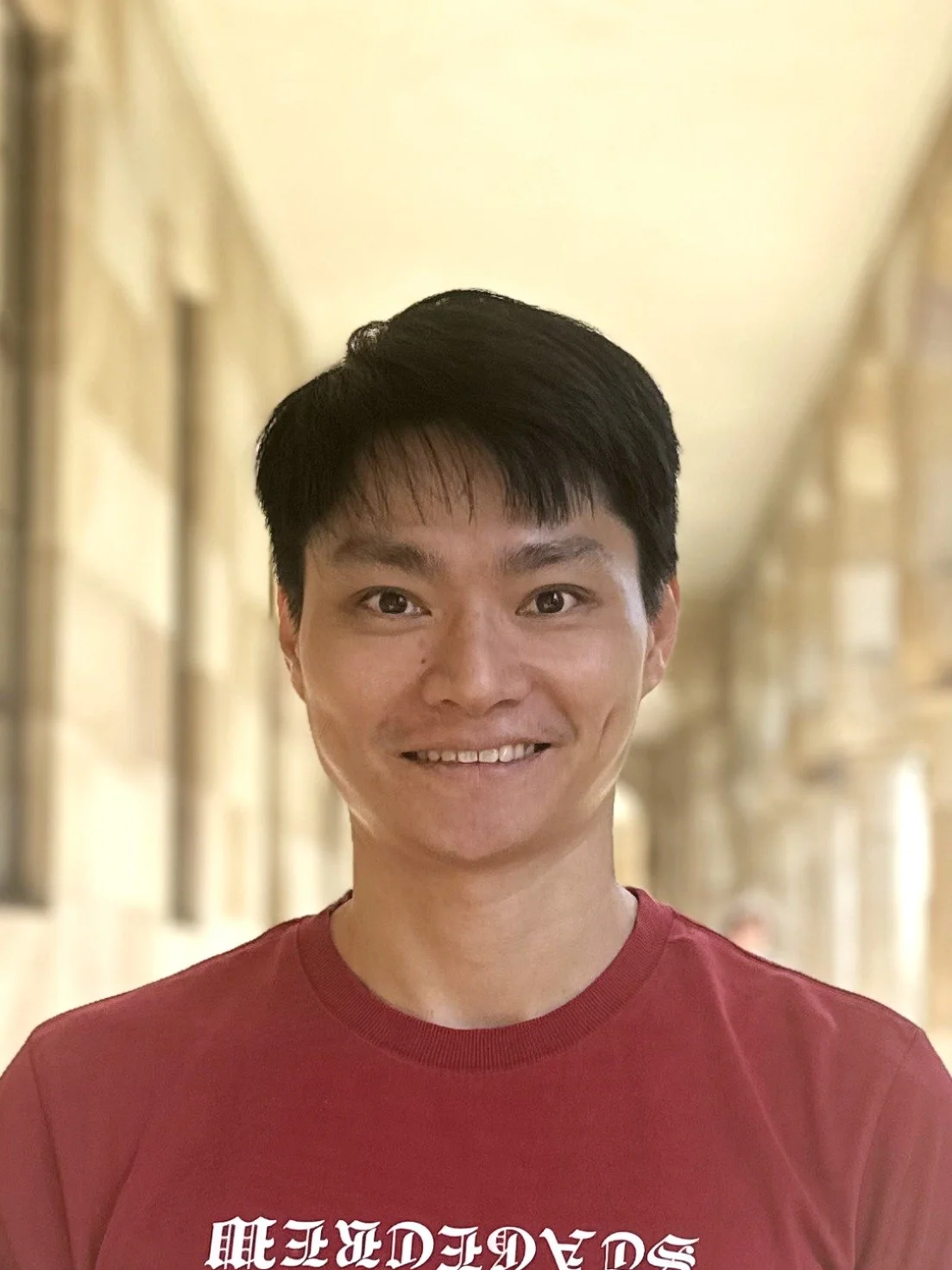
Albert is a plant science researcher specialising in plant biotechnology and tissue culture. His research background spans a variety of agricultural and conservation applications, including experience in cereals gene-editing and physiology, as well as the development of plant tissue culture platforms for recalcitrant grass species and woody perennials. His research addresses critical challenges in plant science, focusing on developing and applying innovative techniques to enhance crop improvement and conservation, particularly in the context of climate change and food security. Currently, he is leveraging his expertise in plant tissue culture to focus on native plant preservation, applying advanced laboratory techniques to support critical conservation efforts. He is also working with industry partners in developing low-emissions forage grass for cattle feed.