LOCATION
Alice Springs
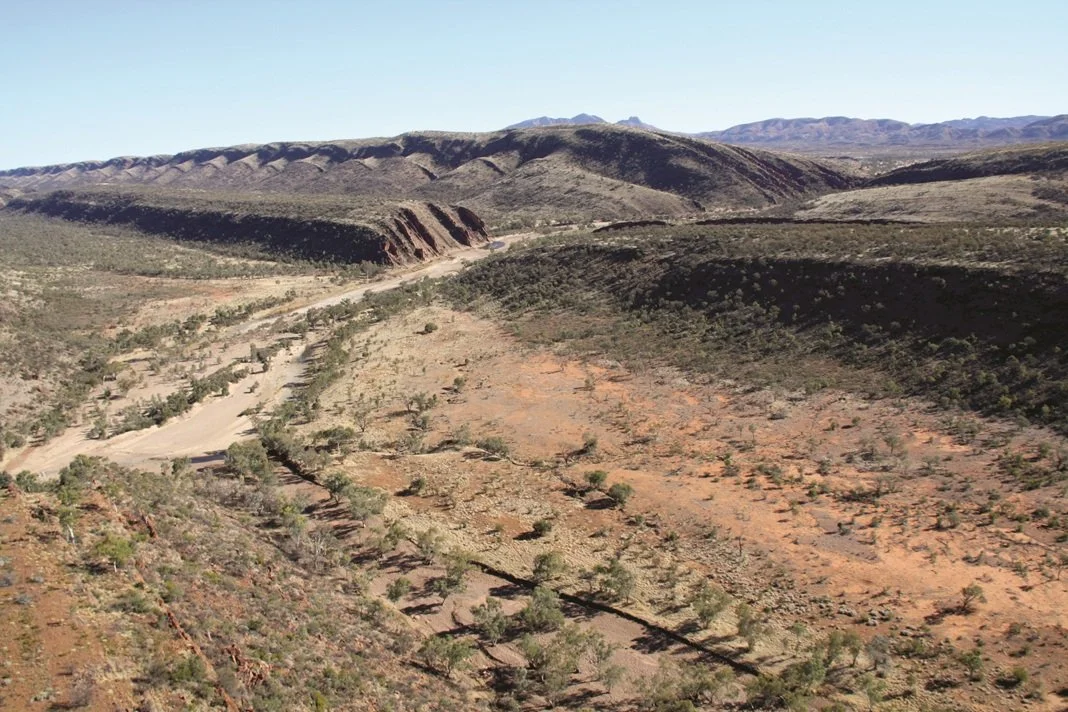
Alice Springs is cradled within the impressive MacDonnell Ranges, the traditional land of the Arrernte people to whom we pay our respects.
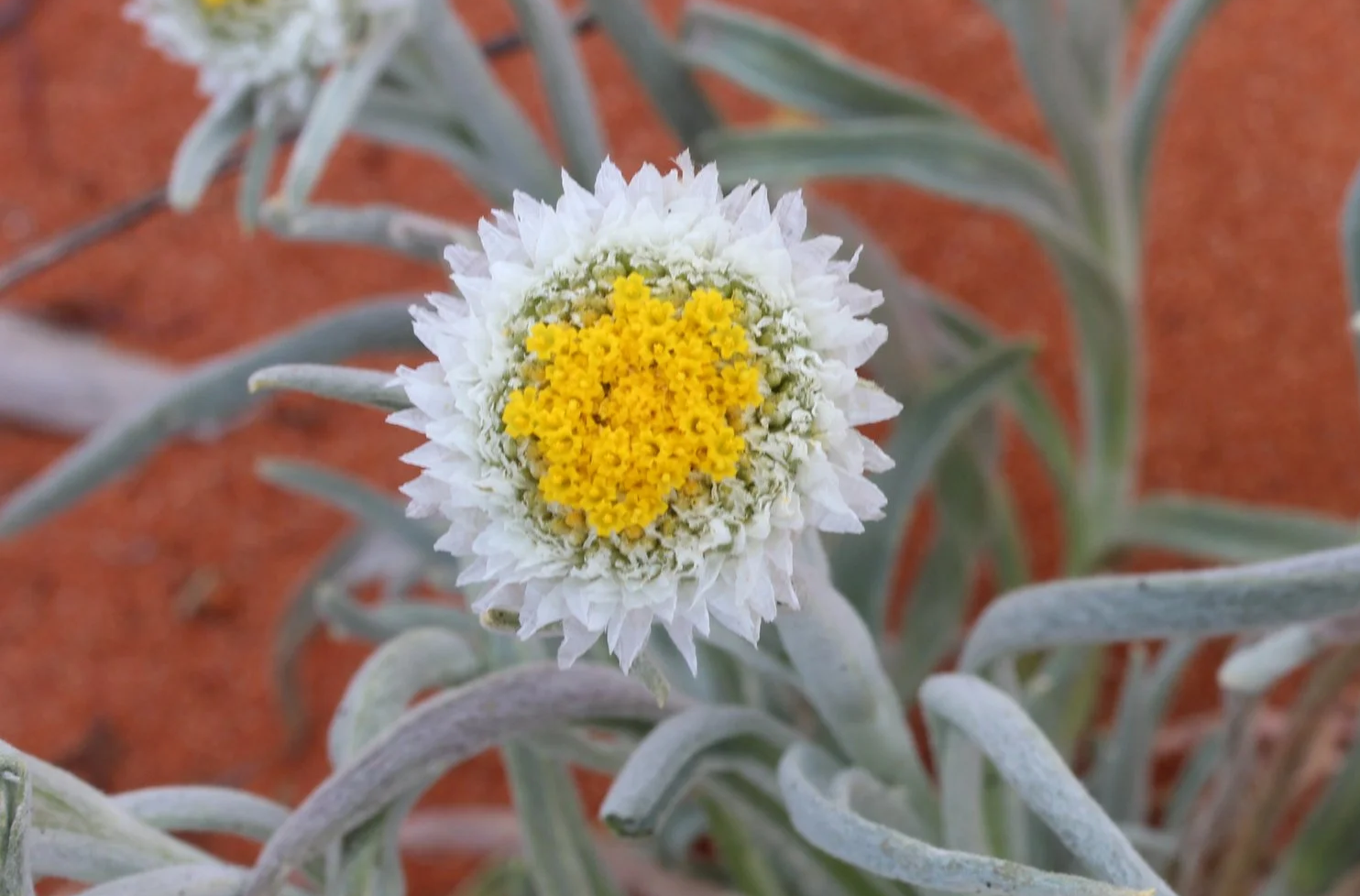
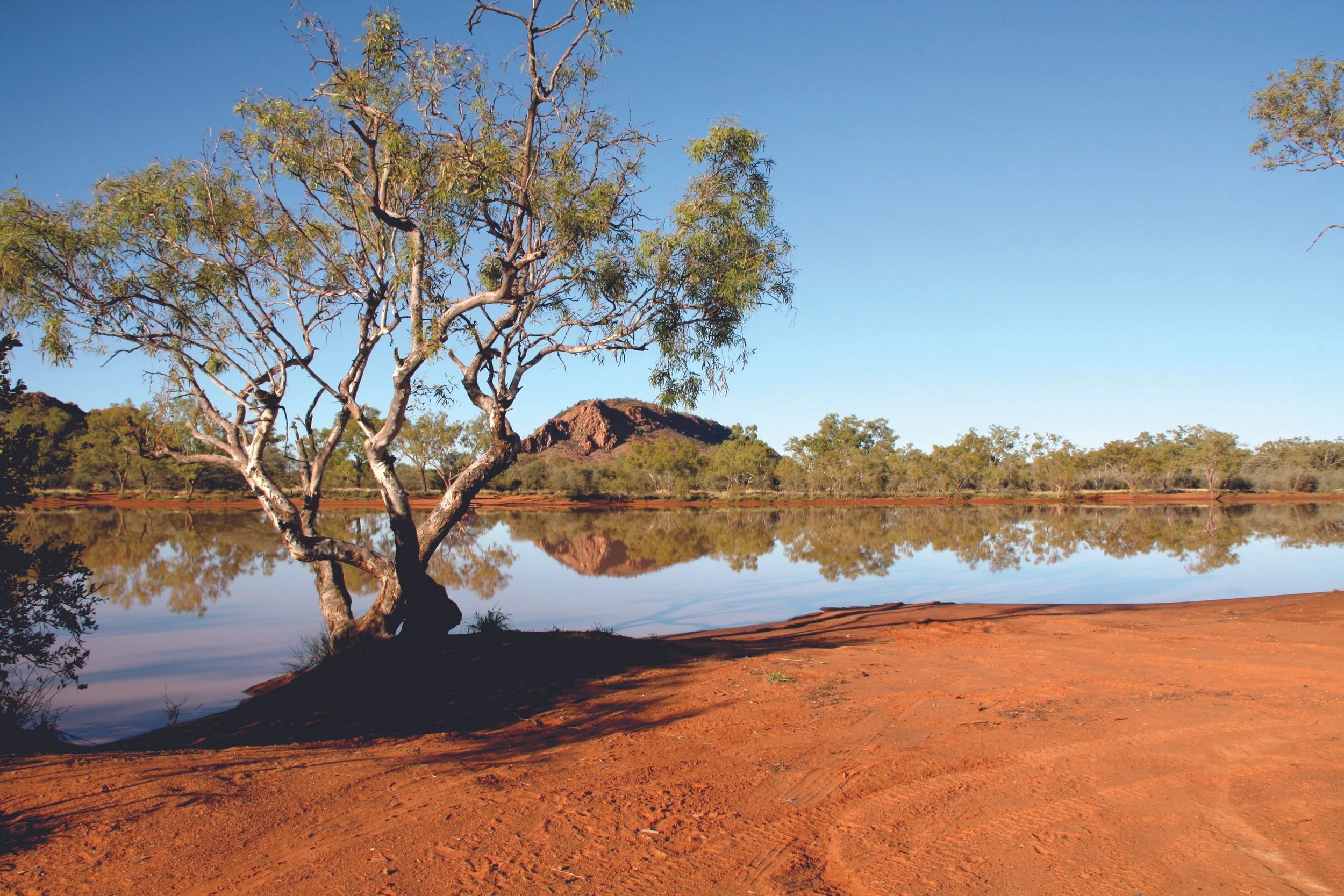
The ranges glow with golden light at dawn and dusk, and the mighty River Red Gums stand sentinel along the usually dry Todd River as it wends through the town. Its nearby surrounds hold a diversity of local native flora, and the streets, parks and gardens are full of native plants.
Just like the environment, the people of Alice Springs are very diverse with many traditional cultural groups and people from all around the world making it home.
It is a vibrant town with festivals, events, museums and art galleries showcasing both indigenous and non-indigenous histories.
The flora and fauna of central Australia will be showcased on our town afternoon outings to Olive Pink Botanic Garden and Alice Springs Desert Park.

Getting to Alice Springs
There are many ways to travel to Alice Springs: directly by plane, rail or coach; making your own adventure or by taking a commercial tour before or after the conference. We have put together a range of options for you to consider.
Central Australia
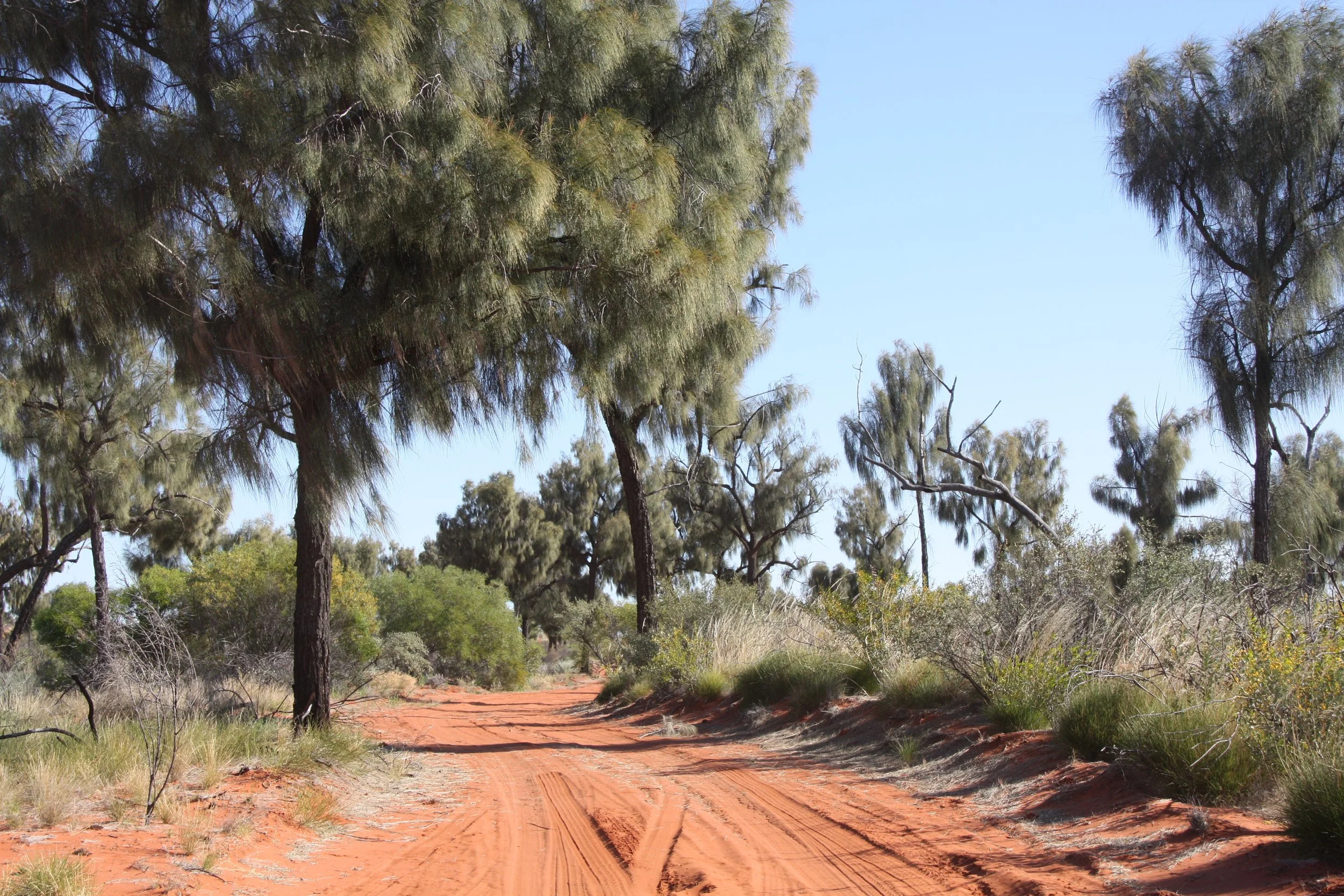
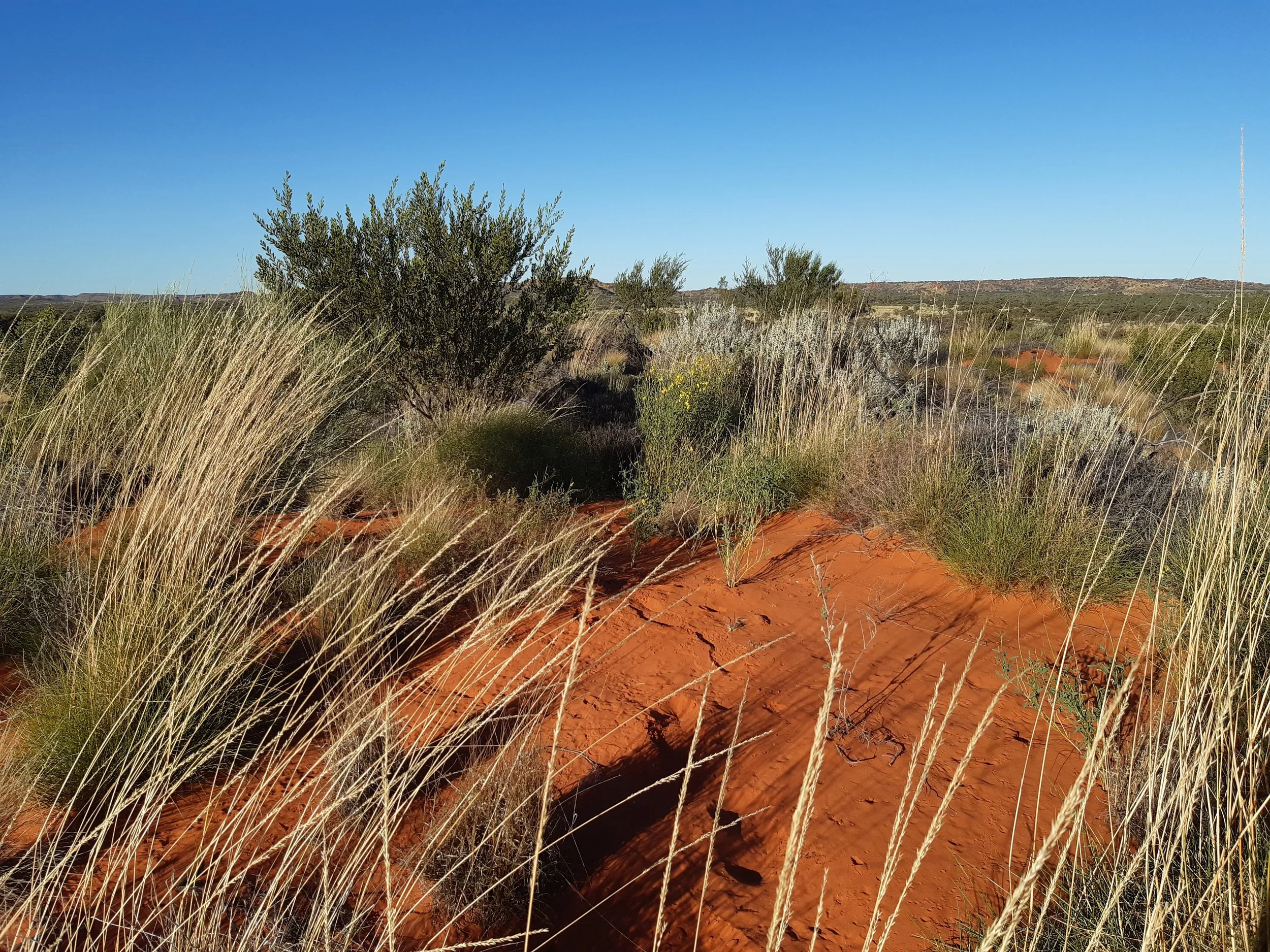
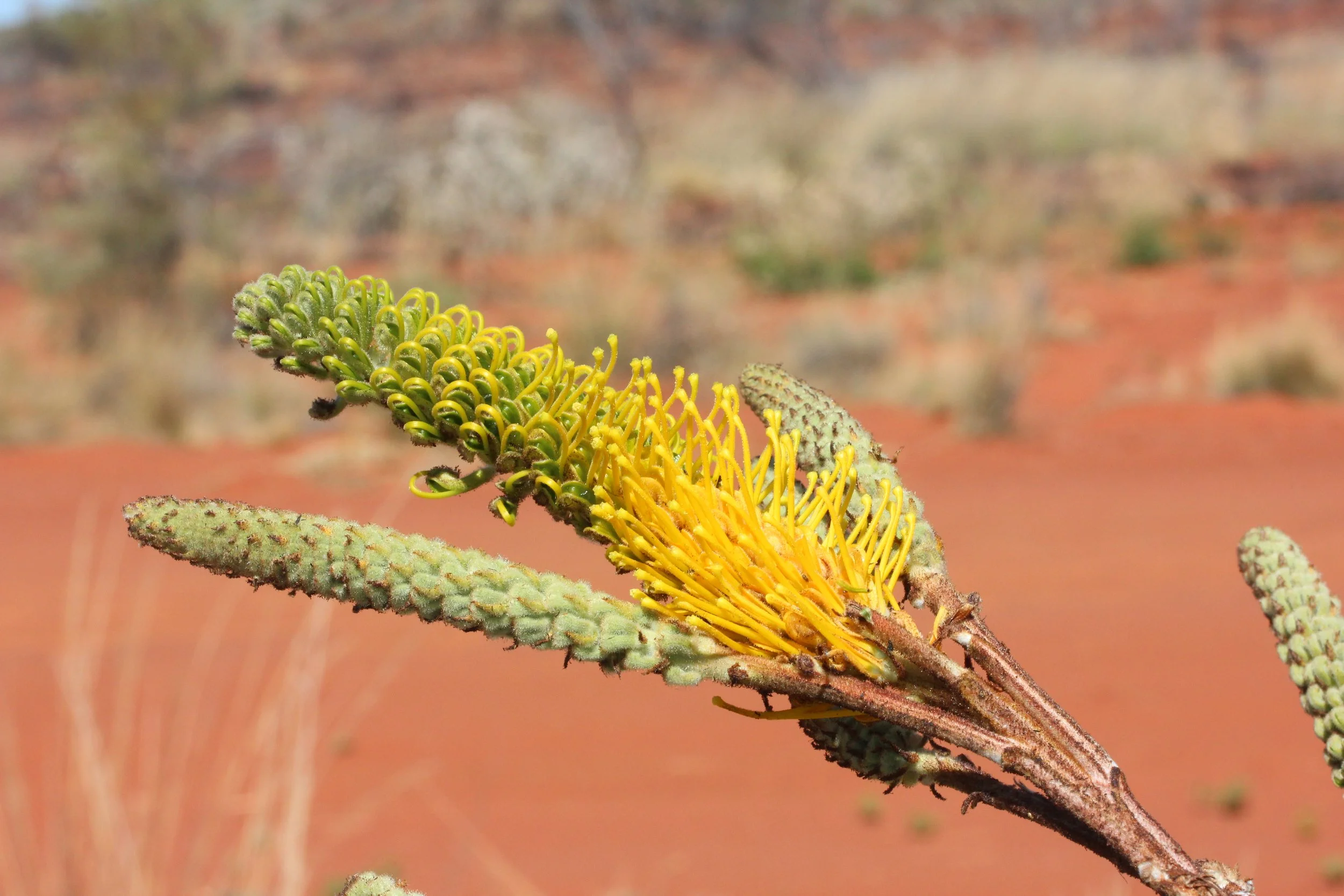
The arid and semi-arid areas cover roughly 70 per cent of Australia. The landscapes are many and varied with rugged ranges, long parallel sand dunes, sweeping sand and gibber plains, ephemeral lakes and meandering watercourses. The geology and form of the landscape play a big role in defining soil types and the types of vegetation that can grow.
The MacDonnell Ranges are at the centre with numerous others spread throughout the region. Beyond the ranges, much of the country is flat or undulating with grassy plains, sand dunes, clay pans, salt lakes and stony plains occasionally divided by sandy riverbeds.
Some of the natural features to explore are Uluru-Kata Tjuta and Watarrka (Kings Canyon) National Parks, the many gorges, waterholes and gaps, and the open and forever-changing expanses. There are places to camp and relax; and there are many trails for hikers, such as the 130 km Larapinta Trail through the West MacDonnell Ranges, walks around Uluru, Kata Tjuta and Kings Canyon.
Visiting Alice Springs
The weather in August can vary significantly with the cool of winter sometimes holding on or warm air may herald the start of spring. At this time of year, it is usually described as ‘Just beautiful!’.
The conference events and excursions will be outdoor, so bring some warm clothes in case you have to rug up.
Alice Springs, despite what is sometimes said in the media, is a fascinating place to live and visit. As with many places in Australia and around the world, it does have its fair share of troubles. As you would do anywhere, keep your personal items with you or stored safely, and should you venture out, go with a friend or in a group, and avoid wandering after dark.